
When a Competitor's Scandal Becomes Your Problem in China
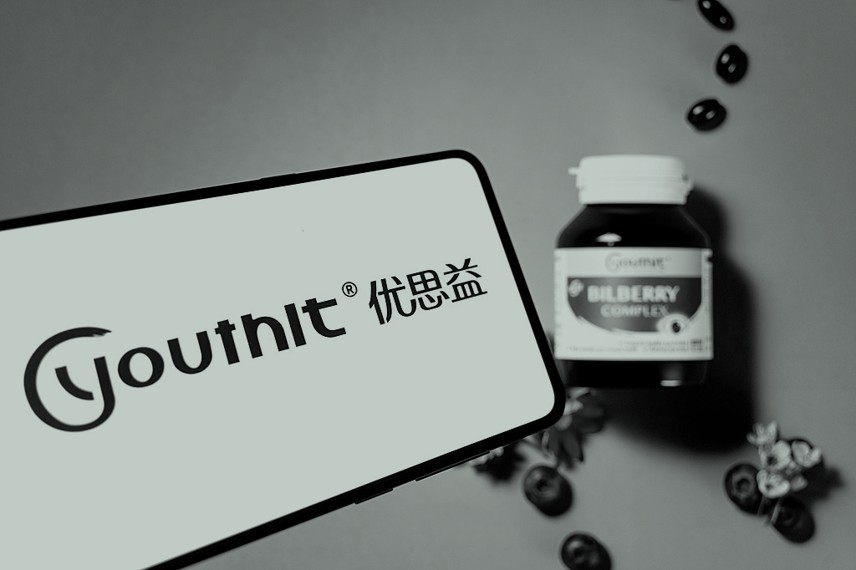
Image Source: China Daily
Cet article est également disponible en français — passez à la version FR du site.
A French brand recently contacted me with a direct question: is the cross-border supplements market in China really being impacted by the scandal surrounding a so-called Australian brand? Short answer: not necessarily, if you have the right operational processes in place.
In April, the marketed Australian brand YouthIT was accused of being a "fake foreign brand" (假洋牌, jiǎ yáng pái in Chinese): a brand presenting itself as foreign while operating primarily from China, with limited transparency about its actual origin, structure, or production. The Chinese state even relayed the story, which amplified the affair and triggered suspicion around foreign health brands sold via cross-border. On Red, users began asking before purchasing supplements: is this foreign brand actually foreign?
The Chinese supplement consumer was already on guard
Chinese consumers buying health products cross-border operate with a level of vigilance that simply doesn't exist in Western markets. They grew up in a market where food safety failures had real and severe consequences: infant formula scandal, chemically preserved rotten meat, adulterated antibiotics, fake viagra, uncontrolled vaccines.
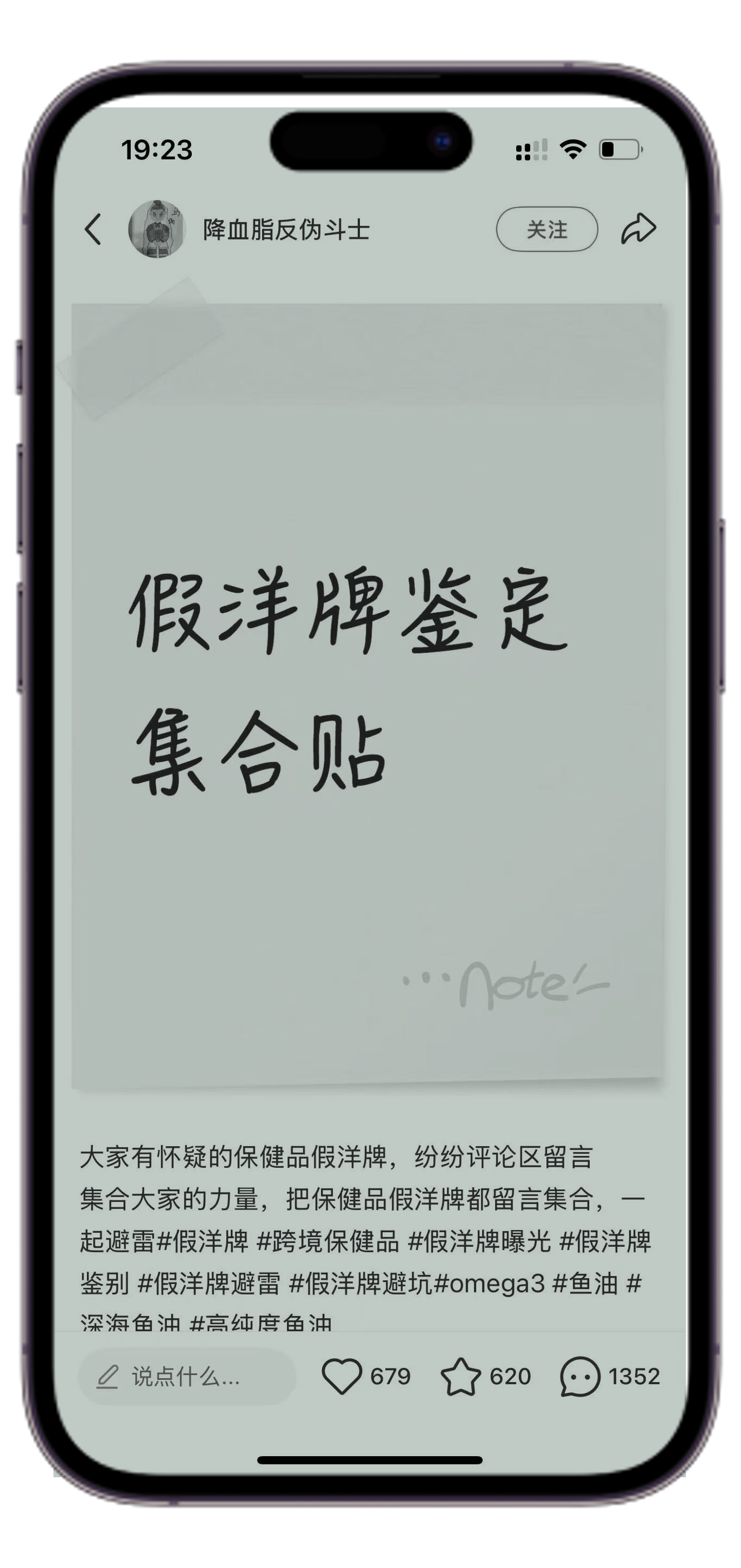
Within days of the YouthIT story breaking, posts began appearing on Red sharing packaging comparisons, ingredient inconsistencies, and origin discrepancies from "fake foreign" brands. The hashtag #假洋牌 has now accumulated over 15 million views on Red.
The phenomenon quickly spread beyond YouthIT: which foreign supplement brands can actually be trusted?
Red's engagement model amplifies exactly this kind of content. With 250 million monthly active users, 82% of them under 40, and an average session of 42 minutes, the platform is built for investigative, peer-driven content. A single viral post can trigger thousands of saves, comments, and discussions about your brand.
What to do to reassure Chinese consumers
The idea that your brand could be perceived as "fake" in China may seem absurd from a western perspective, but put yourself in the shoes of the Chinese consumer. If your international presence appears vague, or if competitors deliberately try to sow doubt about your brand in Red posts, this can quickly become a conversion and trust problem.
Guides circulating on Red explain how to quickly verify the credibility of a foreign brand:
- Consistent Google presence with customer reviews
- Complete and professional official website
- Trademark history registered for several years
- Customs documents or proof of import (the 报关单 bàoguān dān you obtain when your products enter the bonded warehouse)
- Presence on Amazon or other international marketplaces
- Real photos of the company, founder, or factory
Most Chinese consumers don't use a VPN and cannot verify this information themselves. They will check if they can find these informations on the product pages, or ask for proof directly from the flagship store's customer service.
Your customer service team must be prepared to respond quickly with screenshots, documents, or clear reassurance materials. A poor response can immediately tank your conversion rate.
In China, trust doesn't rest solely on product quality. It also rests on your ability to quickly prove that your brand is real, structured and credible, in an environment where consumer suspicion remains high.
Want to audit your flagship stores or consumer reassurance processes in China? Contact us.
About the author
Alexandre Serres is the founder of BAWAN, an advisory that helps foreign brands build and grow in China.
Discuss your China strategy
Contact us