
4 Pillars to Assess Whether Your Chinese Distributor Is Really Reliable
A practical guide to administrative and business due diligence before you sign.

Cet article est également disponible en français — passez à la version FR du site.
Is your partner in China actually legit, or are they telling you what you want to hear about their capacity and their company? It's a question I hear often and one most brands hesitate to dig into, usually because the information feels out of reach: a different language, a different system, a source they can't read.
China isn't as opaque as it feels from the outside. What looks like a black box is mostly a different administrative system, language and culture, not an absence of information. In fact, the amount of public data available on a given company in China is significant, arguably more comprehensive than what's accessible in France / Europe. You just need to know where to look.
1/ Start with the basics
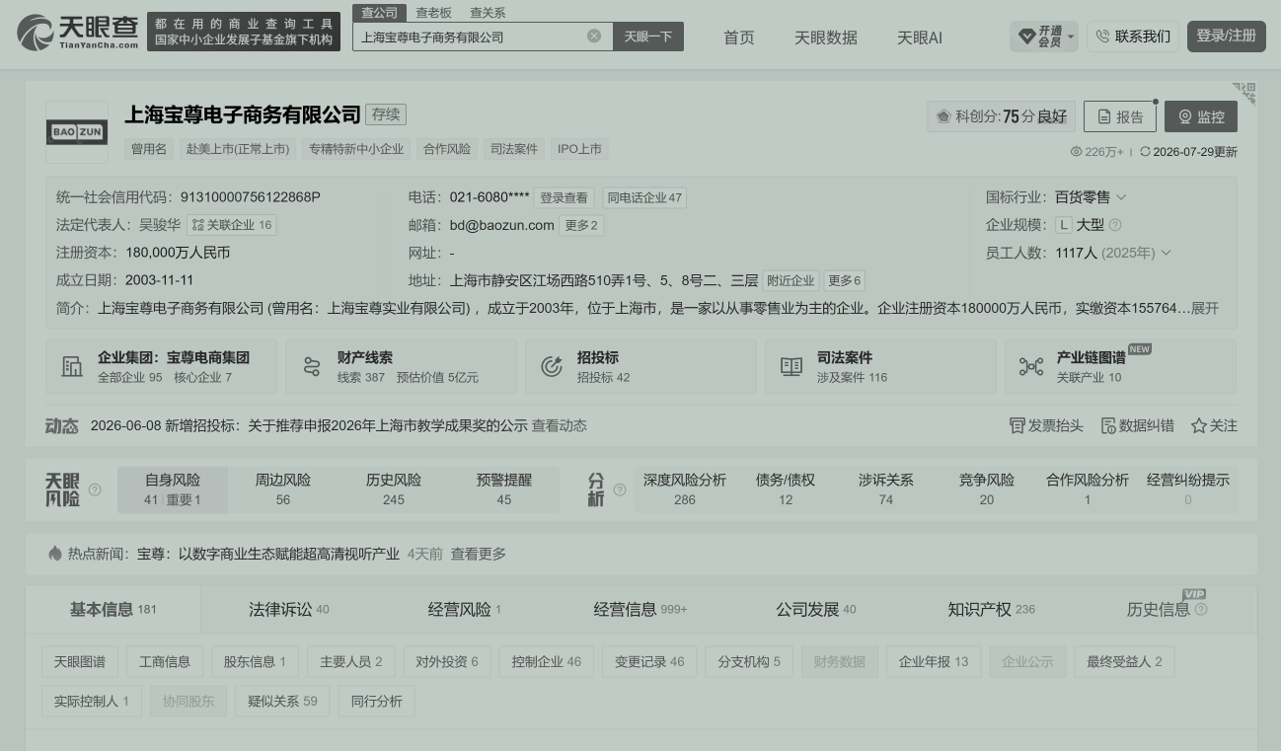
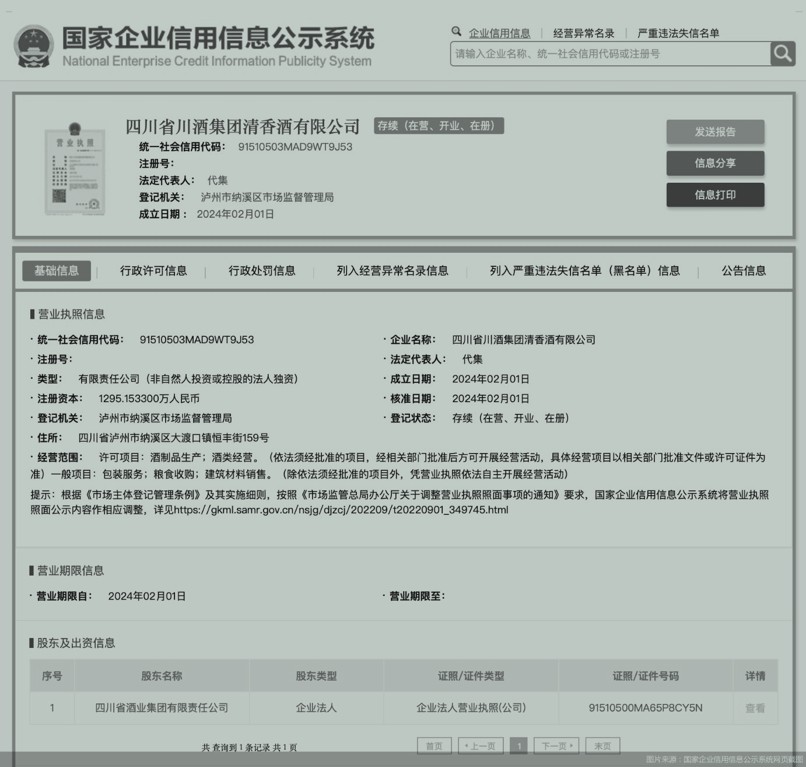
Public and private tools will get you the fundamentals on any registered company in China:
- Date the company was incorporated
- Name of the legal representative
- Shareholders
- Leadership and executive roles
- Registered capital, and whether it's paid-in or only subscribed (a distinction that matters more in China than it does in Europe)
For this, the free reference is the National Enterprise Credit Information Publicity System (国家企业信用信息公示系统), the government's own registry. On the private side, tools like 天眼查 (Tianyancha) pull the same data into a more usable interface and go further. It's similar to Pappers or North Data in Europe, with more depth on the risk side: litigation records, court blacklists, IP filings, public tenders.
2/ Look at what the basics don't tell you
This is where you actually start analysing a company's character:
- Operational history: has the legal representative changed, have licenses been updated, has the shareholder scope evolved, etc.
- Licenses and declared business scope
- Number of employees declared to the authorities, year over year: is it as big as the partner told you?
- Administrative punishments: labor disputes with employees, delays in tax filings, and similar records, including court-blacklist status (失信被执行人) if any judgment against them remains unenforced
3/ Confirm they actually manage the brands they say they do
Once the paperwork checks out, verify the track record. Ask which brands or industries they've actually worked with, past and present. If they present themselves as the distributor of a specific brand in the domestic Chinese market, they should be the entity that owns that brand's official flagship store or social media official account online. If they're not, either they don't really work with that brand, or the model needs to be re-confirmed. Either way, it's a flag worth chasing down.
4/ Audit the commercial performance
With the identity and track record confirmed, move into a digital marketing / social commerce audit of those brands:
- Online sales overview: a one-year estimate (the data can be tracked)
- Whether e-commerce flagship stores or sub-distributors' product pages preserve the brand's DNA while still resonating with a Chinese audience
- Customer reviews, e-store's DSR (Detailed Seller Rating: product description, service, logistics): basic e-commerce operational capability
- E-commerce flagship stores mystery shopper: ask a question online to the customer service chat. Is the customer service well trained on your brand and products?
- What operational mechanisms are in place on the e-commerce flagship stores or social media accounts: in-store benefits, CRM, creative campaigns to get interactions, etc.
- Online branding seeding with influencers: what's visible on platforms such as Red or Douyin, and the number of partnerships completed
- Local assets: short videos, adapted head images, etc.
- Whether they control discounting and price wars, and what their pricing policy actually is
- How the brand is perceived on social media: store and social media account fans, reviews; what consumers are actually saying about the brand and the products
Put together, this gives you a real read on a potential partner's capability. If you want an external view for your specific case, get in touch.
About the author
Alexandre Serres is the founder of BAWAN, an advisory that helps foreign brands build and grow in China.
Discuss your China strategy
Contact us